

Outboard & Inboard
DIY Marine Repairs
Outboard motor repair manuals, plus shop manuals for stern drives by Clymer & Seloc, can save you money on repair and maintenance bills. Step-by-step instructions with clear photos guide you through every job.
-

-

-

-

-
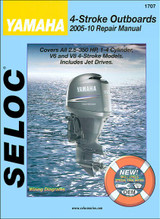
Yamaha 4-Stroke Outboards Repair Manual 2005-2010
$63.39$61.95 -
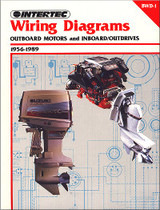
Wiring Diagrams Outboard Motors 1956-1989
$49.95$47.24 -

Volvo Stern Drive Repair Manual 1968-1993
$49.95$45.95 -

Volvo Penta Stern Drives Repair Manual 2003-2012
$63.39$61.95 -
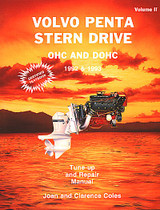
-
Volvo Penta Stern Drive Repair Manual 1968-1991
$63.39$61.95 -

Volvo Penta Stern Drives Repair Manual 1992-2002
$63.39$61.95 -

-
-

-

Suzuki Outboard 2-65 HP 2-Stroke Repair Manual 1992-1999
$49.95$46.95 -

Suzuki Outboard 2-225 HP Repair Manual 1985-1991
$49.95$46.95 -

Suzuki Outboard 2-225 HP Repair Manual 1988-2003
$63.39$61.95 -

Suzuki Outboard 2-140 HP Repair Manual 1977-1984
$49.95$45.95 -
-
Outboard Motor Service Manual 30HP and Above, 1969-1989
$49.95$45.49 -

-

-
OMC Stern Drive Repair Manual 1964-1986
$63.39$61.95 -

OMC Stern Drive Ford, GM Repair Manual 1964-1986
$49.95$45.95 -
OMC Cobra Stern Drive Shop Manual 1994-2000
$49.95$45.95 -

Old Outboard Motor Service Manual Vol. 2 30 HP and Above
$49.95$45.49 -
Old Outboard Motor Service Manual Vol. 1 Under 30 HP
$49.95$45.49 -

-

Mercury 2.5-350 HP Outboards Repair Manual 2005-2011
$63.39$61.95 -

Mercury Outboard 3.9-135 HP Repair Manual 1964-1971
$49.95$45.95 -

-

-

-
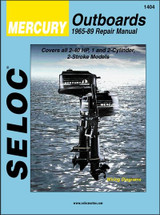
Mercury 90-300 HP 2-Stroke Repair Manual 1965-1989
$63.39$61.95 -

-

-
-

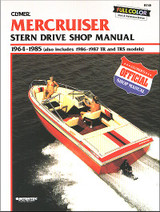
Mercruiser Stern Drive Repair Manual 2001-2013
$63.39$61.95 -
-
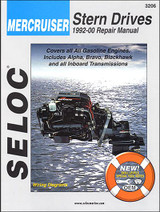
Mercruiser Stern Drive Repair Manual 1992-2000
$63.39$61.95












You can fix it!
Outboard motors have been around for over 100 years, and it all started in the early 1900s when Ole Evinrude, a self-taught engineer, invented the first practical (and reliable) outboard motor. After that, other companies came out with their own models of outboard motors.
The Motor Bookstore stocks a good inventory of boat repair manuals and boat service manuals online for brands such as Evinrude Johnson, Honda, Mercruiser, Yamaha and many other manufacturers of marine engines. This includes inboard motors and stern drives.
The Clymer and Seloc marine manuals we sell are published with the do-it-yourself mechanic in mind. As such, they feature step-by-step procedures accompanied by clear photos and text instructions so you can perform the job yourself, and do so correctly.
Having the correct manual to service or repair your boat's engine is very important, as some components must be installed in a certain sequence and torqued to factory specs. Think of an outboard motor repair manual as cheap "insurance" that can extend the performance and life of your engine.